
Ledger.com/Start® — Getting Started with Ledger Live™
Use Ledger.com/start to explore Ledger wallet setup steps, device initialization, Ledger Live features, crypto account management, and responsible practices for protecting recovery information.
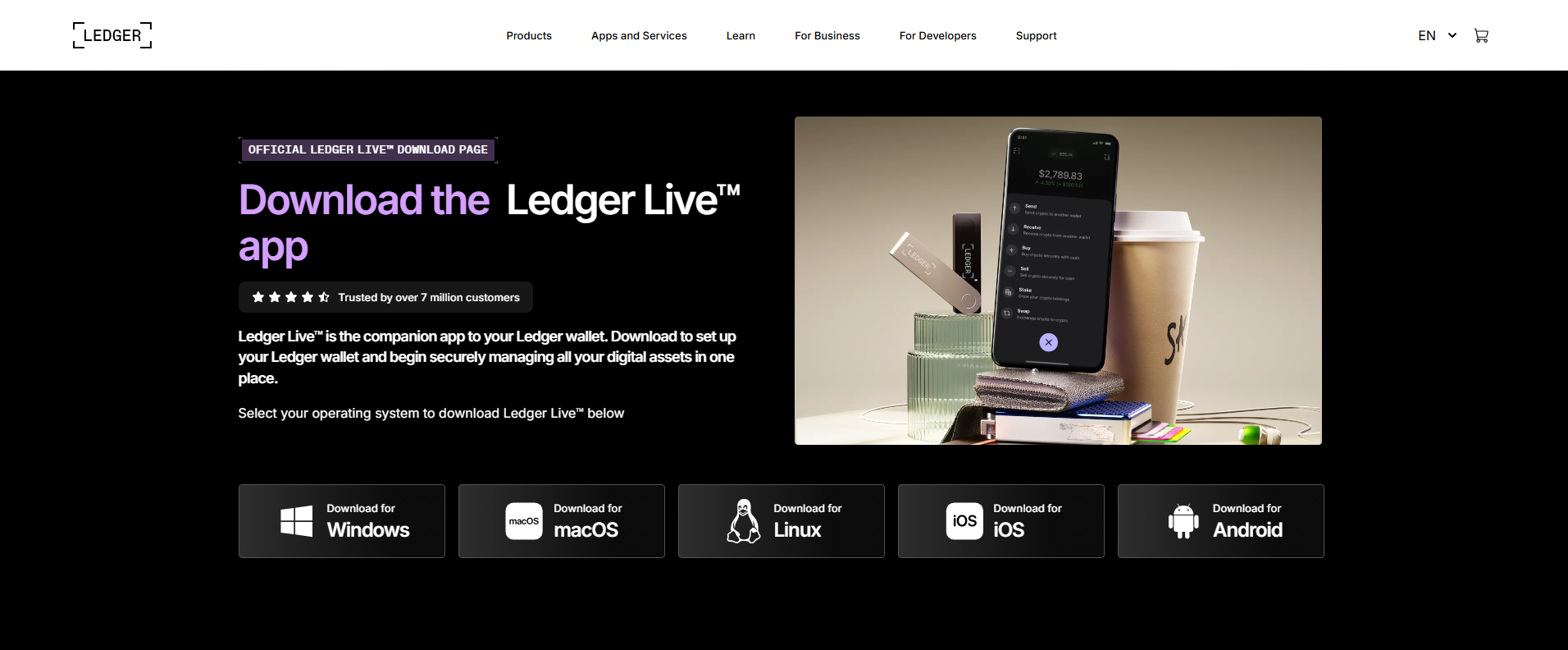
Ledger.com/start: Complete Guide to Ledger Wallet Setup
Setting up a Ledger hardware wallet is an important first step toward managing cryptocurrency with a dedicated security device. Ledger.com/start provides a starting point for users who want to prepare their Ledger device, connect it with the appropriate Ledger software, and complete the initial wallet configuration.
A proper setup helps users understand how the hardware wallet works, how transactions are approved, and how recovery information should be protected. Taking time to complete each stage carefully can make the transition to self-custody easier, especially for users who are using a Ledger wallet for the first time.
What Is Ledger.com/start?
Ledger.com/start is the setup starting point for Ledger hardware wallet users. It is intended to guide users through the initial steps required to prepare a Ledger device and use compatible Ledger software.
The setup process can involve connecting the device, installing or updating required software, configuring the wallet, and creating or restoring wallet access. The exact steps can vary depending on the Ledger device and software environment.
Before beginning, make sure you are using the legitimate Ledger website and official software. Cryptocurrency users should be particularly cautious of websites and applications that imitate wallet services.
Prepare for Your Ledger Wallet Setup
Before starting, have your Ledger hardware wallet and its compatible cable available. You should also have access to a supported computer or mobile device, depending on your Ledger model and preferred setup method.
If you are creating a new wallet, prepare a secure place to record your recovery phrase. The recovery information generated during setup is extremely important and should never be treated like an ordinary password.
Do not photograph the recovery phrase or store it in an online document, email account, cloud service, or messaging application.
Start With Ledger Software
Ledger software provides the interface for interacting with a compatible Ledger hardware wallet. It can be used to initialize the device, install supported applications, manage accounts, review balances, and prepare cryptocurrency transactions.
After accessing Ledger.com/start, follow the setup instructions appropriate for your device. Download software only through official Ledger channels and avoid unofficial download links.
Once the software is installed, open it and continue with the device setup instructions.
Connect Your Ledger Device
Connect the Ledger hardware wallet to your computer or compatible device using the appropriate connection method. The software should guide you through the initial connection process.
Your physical Ledger device is an important part of the security process. Sensitive actions and transaction approvals may require confirmation directly on the hardware wallet.
Always pay attention to the information displayed on the device before approving an action.
Set Up Your Ledger Wallet
During the setup process, you may be given the choice to create a new wallet or restore an existing wallet.
If you are creating a new wallet, follow the instructions provided by the Ledger software and the physical device. The device will generate the information required for your wallet backup.
Write down your recovery phrase exactly as instructed. Take your time and verify that the words have been recorded correctly before moving forward.
If you are restoring an existing wallet, only use the recovery process provided through the official Ledger software and hardware device.
Protect Your Recovery Phrase
The recovery phrase is one of the most important security elements associated with a self-custody wallet. Anyone who obtains it may potentially be able to restore access to the associated cryptocurrency accounts.
For this reason, never share your recovery phrase with another person. Legitimate support should not require you to disclose it.
Avoid entering the phrase into websites, online forms, computer documents, screenshots, or unknown applications. Keep the physical backup stored somewhere secure and protected from unauthorized access.
Your Ledger device and recovery phrase serve different purposes, but both should be handled with care.
Install Cryptocurrency Applications
After the initial device configuration, Ledger software can provide access to supported blockchain applications. These applications enable the hardware wallet to interact with different cryptocurrency networks.
Only install applications through the official Ledger software interface. Make sure you understand which blockchain network and account you are using before transferring cryptocurrency.
Sending an asset to an incompatible network or incorrect address can result in a transaction that cannot easily be reversed.
Create and Manage Ledger Accounts
Once the required blockchain application is installed, you can create or add supported cryptocurrency accounts through the Ledger software.
Accounts allow users to organize supported assets and review transaction information. Depending on the cryptocurrency and software version, available account features can vary.
Before receiving cryptocurrency, carefully verify the receiving address. When possible, confirm important address information directly on the Ledger hardware wallet.
How Ledger Hardware Wallet Security Works
A Ledger hardware wallet is designed to keep sensitive private-key operations within the dedicated device rather than relying entirely on the computer or phone being used to access the wallet.
The companion software provides the interface for viewing account information and preparing transactions. The hardware device can then be used to review and authorize important actions.
This separation helps users maintain a dedicated security layer when interacting with cryptocurrency applications.
Review Transactions Carefully
When sending cryptocurrency, do not rely solely on the information displayed on your computer or smartphone.
Review the recipient address, network, amount, and other transaction details on the Ledger device before confirming the transaction.
If the information displayed on the hardware wallet does not match what you intended to send, cancel the operation and investigate before proceeding.
A transaction sent to an incorrect address may not be recoverable.
Ledger.com/start Security Tips
Good security practices should begin during the first wallet setup.
Use the official Ledger website and official Ledger software. Avoid links received through unexpected emails, social media messages, advertisements, or unknown websites.
Never provide your recovery phrase to anyone.
Do not type your recovery phrase into a website simply because a page claims that verification or synchronization is required.
Keep your recovery backup offline and physically protected.
Use a strong device PIN and never share it with another person.
When approving transactions, carefully check the details displayed on the physical Ledger device.
These simple practices can help reduce common risks associated with cryptocurrency self-custody.
Ledger Wallet Setup for New Users
For beginners, the Ledger wallet setup process may initially seem unfamiliar because it introduces concepts such as private keys, recovery phrases, blockchain applications, and transaction confirmation.
The process becomes easier when each stage is handled separately. Start by preparing the device, install the appropriate Ledger software, initialize the hardware wallet, secure the recovery backup, and then create the accounts needed for supported assets.
There is no need to rush through the setup. Carefully reviewing each confirmation is more important than completing the process as quickly as possible.
Managing Your Wallet After Setup
After completing Ledger.com/start, the same Ledger software can generally be used for ongoing wallet management.
Depending on supported features, users may be able to monitor balances, manage accounts, receive cryptocurrency, send transactions, install or remove blockchain applications, and maintain the device.
Software updates and device updates should be handled through official Ledger channels. Before performing an update, review the instructions provided by the official software and confirm that your recovery backup is safely stored.
Final Thoughts
Ledger.com/start provides a practical starting point for users who want to configure a Ledger hardware wallet and begin managing digital assets through compatible Ledger software.
A successful setup involves more than connecting a device. Users should understand the importance of the recovery phrase, verify transaction details on the hardware wallet, use trusted software, and protect sensitive wallet information.
By completing the Ledger wallet setup carefully and maintaining good security habits afterward, users can build a more organized approach to cryptocurrency self-custody and hardware wallet management.
Updated about 8 hours ago