
Ledger.com/Start® — set up your Ledger hardware wallet
Use Ledger.com/start to understand Ledger wallet initialization, Ledger Live connection, account setup, device management, recovery protection, and secure handling of digital assets.
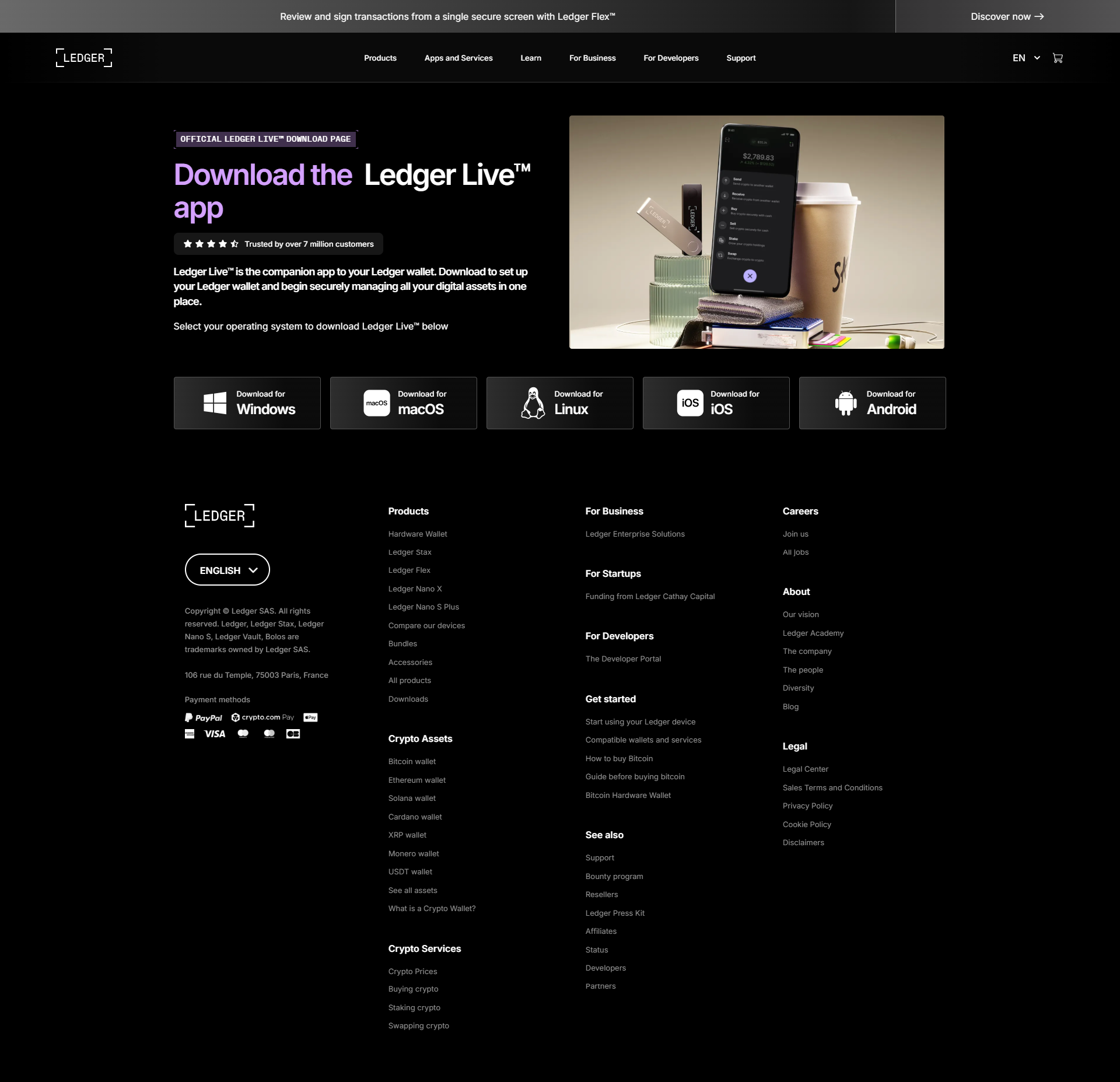
Ledger.com/start: Guide to Ledger Wallet, App Setup, and Ledger Live Login
Getting started with a Ledger wallet involves more than connecting a hardware device. New users need to understand how the Ledger wallet works with its companion software, how accounts are added, and how the Ledger Live login experience fits into everyday wallet management. Ledger.com/start provides a starting point for learning these essential steps and preparing a Ledger device for use.
Whether you are setting up a new hardware wallet or becoming familiar with the Ledger wallet app, following the setup process carefully can make account management easier and help you avoid common security mistakes.
What Is Ledger.com/start?
Ledger.com/start is designed as a starting point for Ledger hardware wallet setup. From this point, users can find the appropriate resources for preparing their device and getting started with Ledger's software ecosystem.
A Ledger wallet uses a physical device to handle important security operations, while the companion application provides an interface for managing supported cryptocurrency accounts. Understanding this relationship is useful for anyone new to hardware-based cryptocurrency storage.
Getting Ready for Ledger Wallet Setup
Before beginning the setup process, keep your Ledger hardware wallet, compatible cable, and computer or supported mobile device nearby. A reliable internet connection can also help when installing software or completing device-related updates.
Always make sure that you are using an official Ledger source when downloading wallet software. Avoid applications or websites that imitate the Ledger brand, especially when they request sensitive wallet information.
Installing the Ledger Wallet App
The Ledger wallet app provides an interface for interacting with supported accounts and digital assets. Depending on the Ledger product and supported platform, the available software experience can vary.
After obtaining the appropriate application from an official source, install it on your device and open it. The software can guide you through connecting your Ledger hardware wallet and completing the initial configuration.
The application should be viewed as the management interface rather than a replacement for the physical hardware wallet. Important security operations can require confirmation directly on the Ledger device.
Connecting Your Ledger Wallet
Once the Ledger wallet app is ready, connect your hardware wallet according to the instructions shown on screen.
Keep the physical device with you throughout the setup process. Read the prompts displayed on the Ledger device carefully, especially when the software asks you to confirm an action.
If you are setting up a new Ledger wallet, follow the instructions for creating a new wallet. If you already have a wallet and are restoring it, use the appropriate recovery procedure instead.
Protecting Your Ledger Wallet Recovery Information
Recovery information is one of the most important security elements associated with a self-custody wallet.
When setting up a new Ledger wallet, carefully record the recovery information exactly as instructed by the device. Store it somewhere private and secure where unauthorized people cannot access it.
Never share your recovery phrase with someone claiming to be technical support. Do not enter it into random websites, online forms, messaging applications, or documents stored on an internet-connected device.
Your recovery information should remain under your personal control.
Understanding Ledger Live Login
Ledger Live login can be part of the process users encounter when accessing Ledger's software environment. It is important to distinguish software access from ownership of cryptocurrency assets.
A password or application-level login can protect access to the software interface, but it should not be treated as a replacement for the security provided by the Ledger hardware wallet and its recovery information.
When accessing Ledger software, always verify that you are using the legitimate application or official website. Be especially cautious of login pages that arrive through unexpected emails or messages.
Managing Accounts With Ledger Live
After your Ledger wallet has been initialized, the software can provide access to supported cryptocurrency accounts.
Depending on the device and supported networks, users may be able to add accounts, view balances, review transaction activity, receive cryptocurrency, and prepare outgoing transactions.
The exact features available can change as Ledger software and supported networks evolve, so use the current software interface and official documentation when a particular function is required.
Confirm Transactions on Your Ledger Device
One of the important differences between a hardware wallet and a software-only wallet is the role of the physical device during sensitive operations.
When preparing a transaction, review the relevant information carefully. If your Ledger device asks you to confirm the transaction, check the details displayed on the hardware itself before approving it.
Do not rely exclusively on information displayed on a computer or mobile screen. Reviewing the information directly on the hardware device provides an additional verification step before a transaction is authorized.
Ledger Wallet App Security Tips
Keeping your software updated and obtaining it from an official source are basic security practices for Ledger users.
Avoid installing wallet applications from unknown websites. Do not allow another person to control your computer remotely while your wallet is connected unless you fully understand the security implications.
Never disclose your PIN or recovery phrase.
If someone contacts you unexpectedly and claims that your Ledger wallet requires verification, activation, synchronization, or recovery, independently verify the request before taking any action.
Common Ledger Setup Mistakes
New users can encounter problems when they rush through the initial setup.
One common mistake is downloading an unofficial application because it appears in a search result. Another is entering sensitive recovery information into a website that looks like a legitimate wallet service.
Users should also carefully check cryptocurrency addresses and networks before sending funds. A transaction sent to the wrong destination or network may not be recoverable.
Taking time to verify each important step is an essential part of responsible wallet management.
Ledger.com/start for New Users
For someone using a Ledger wallet for the first time, the setup process becomes easier to understand when it is separated into a few basic stages.
Start with Ledger.com/start, obtain the appropriate Ledger software, connect the hardware wallet, complete the device setup, protect the recovery information, and then configure supported accounts.
Once these steps are complete, the Ledger wallet app can become part of your regular workflow for monitoring accounts and managing supported digital assets.
Ledger Wallet and Everyday Crypto Management
A Ledger wallet is designed to work as part of a broader self-custody setup. The hardware device handles important security functions, while the software interface makes account management more convenient.
This combination allows users to interact with supported cryptocurrency networks without treating the software application as the sole security layer.
Keeping both the physical device and recovery information protected is therefore important for maintaining control over the wallet.
Final Thoughts
Ledger.com/start offers a starting point for users who want to understand Ledger wallet setup, the Ledger wallet app, and the Ledger Live login experience. Completing the initial configuration carefully can help establish a clear workflow for managing supported cryptocurrency accounts.
Always download Ledger software from a trusted official source, verify important information on the physical device, protect your PIN and recovery information, and remain cautious of websites or messages requesting sensitive wallet details.
A careful setup provides the foundation for using a Ledger hardware wallet as part of a secure and organized cryptocurrency management routine.
Updated about 8 hours ago