
Ledger.com/Start® — Getting Started with Ledger Live™
Use Ledger.com/start to understand the main steps involved in preparing a Ledger hardware wallet, accessing Ledger Live, organizing accounts, and protecting wallet recovery details.
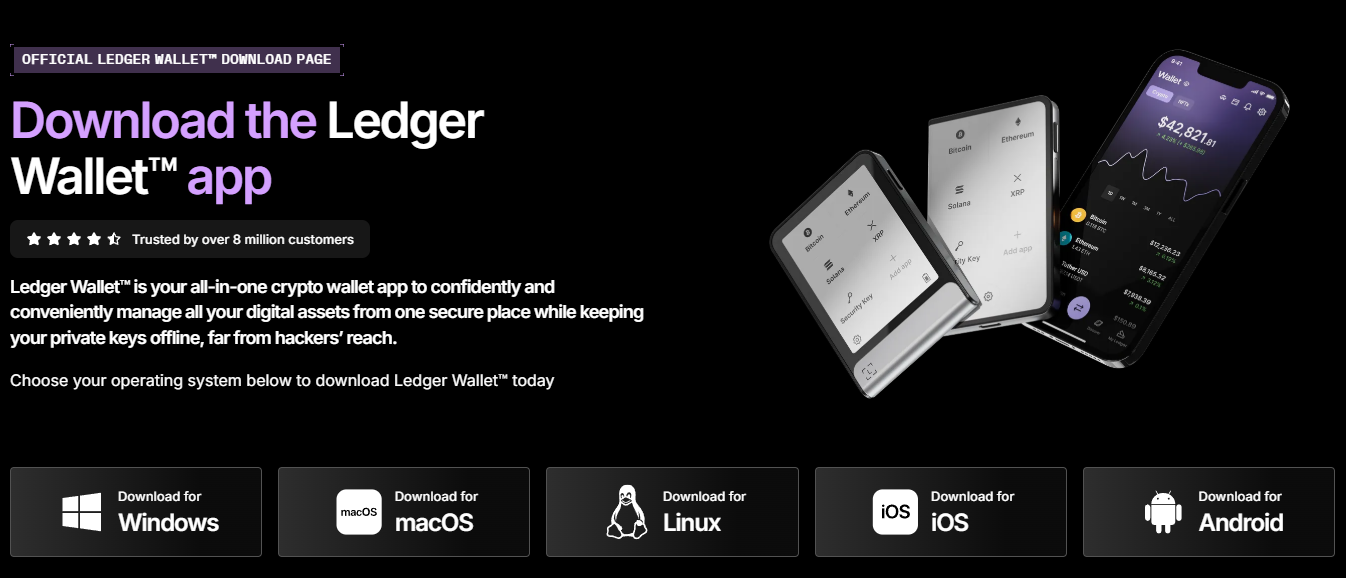
Ledger.com/start: Complete Ledger Wallet Setup and App Guide
A Ledger hardware wallet gives users a dedicated device for managing supported cryptocurrency assets and approving transactions. For anyone beginning with a new Ledger device, the setup process is an important introduction to wallet security, account management, and self-custody.
Ledger.com/start provides a starting point for configuring a Ledger device and connecting it with compatible Ledger software. From the first device connection to wallet creation and everyday account management, each stage should be completed carefully.
Begin Your Ledger Wallet Setup
The Ledger wallet setup process starts with preparing the hardware device and accessing the appropriate official Ledger software. Before connecting the device, make sure you have the required cable and a compatible computer or mobile device.
Use only official Ledger sources when downloading wallet software. Avoid unofficial applications, advertisements, or websites that imitate the Ledger interface.
Once the software is ready, connect your Ledger device and follow the instructions displayed by the application and the physical hardware wallet.
What Is a Ledger Wallet?
A Ledger wallet is built around a combination of hardware and software. The physical Ledger device provides a dedicated environment for sensitive wallet operations, while compatible software gives users an interface for viewing accounts and managing supported assets.
This setup allows users to interact with cryptocurrency networks without relying solely on a general-purpose computer or smartphone for private-key operations.
The hardware wallet should therefore remain an important part of the transaction approval process.
Set Up the Ledger Device
After connecting your device, follow the setup instructions shown in the official Ledger software.
Depending on your device and its current software, setup may involve device initialization, security checks, firmware installation, and wallet configuration.
Read every instruction carefully and confirm important actions on the physical Ledger device when requested.
If something appears unexpected, do not approve it immediately. Stop and verify the information first.
Create Your Ledger Wallet
A new Ledger device can be configured for a new wallet or, when appropriate, used to restore an existing wallet.
When creating a new wallet, the device generates recovery information. This information must be recorded exactly as instructed.
Take your time while writing down the recovery words and verify them during the backup process. Keep the completed backup in a secure location where unauthorized people cannot access it.
The recovery phrase should never be treated as ordinary account information.
Protect Your Recovery Information
Your recovery phrase is one of the most sensitive pieces of information associated with your Ledger wallet.
Never share it with another person, including anyone claiming to be a Ledger employee or support representative.
Do not save the recovery phrase in screenshots, cloud storage, email accounts, online notes, or messaging applications. Avoid entering it into websites or computer forms.
If an unexpected website asks for your complete recovery phrase to unlock, synchronize, verify, or upgrade your wallet, stop before providing any information.
Use the Ledger Wallet App
The Ledger wallet app provides a software interface for interacting with a compatible Ledger hardware wallet. Depending on the supported device and software environment, users can view accounts, monitor balances, manage supported assets, and prepare transactions.
The app and hardware device work together rather than serving as identical replacements for one another.
The software can display wallet information and prepare an operation, while the physical Ledger device can be used to review and authorize sensitive actions.
Understanding Ledger Live Login
The phrase Ledger Live login is commonly used by people searching for access to Ledger's wallet-management software. However, users should be careful with websites that present a conventional login form and request sensitive wallet information.
Always access Ledger software through an official Ledger source. Never enter your recovery phrase or private keys into a login page.
If a website claims that you must provide your recovery phrase before you can access your Ledger wallet, close the page and verify the situation through official Ledger resources.
Install Blockchain Applications
Once the Ledger device has been initialized, compatible blockchain applications can be installed through the appropriate Ledger software.
These applications allow the hardware wallet to interact with supported blockchain networks and assets.
Before installing or using an application, check that you are working with the correct network and supported asset. Cryptocurrency transfers should always be reviewed carefully because many blockchain transactions cannot be reversed after confirmation.
Add and Manage Accounts
After installing a required blockchain application, you can add compatible accounts through the Ledger software.
Accounts help organize supported assets and provide information about balances and transaction history.
When receiving cryptocurrency, carefully compare the receiving address before sending funds. When making a transfer, review the destination address and amount on the physical Ledger device before approving the transaction.
This extra verification step is an important part of using a hardware wallet.
Review Transactions on Your Ledger Device
A computer or smartphone may display transaction information, but the physical Ledger device provides an additional place to review important details.
Before confirming a transaction, check the information displayed directly on the hardware wallet. Pay particular attention to the recipient address and transaction amount.
If the information does not match your intended transaction, reject the operation and investigate before continuing.
Do not approve a transaction simply because the computer application indicates that it is ready.
Ledger Live and Everyday Wallet Management
After the initial setup, compatible Ledger software can be used for regular wallet management.
Depending on the available features and supported assets, users may be able to monitor balances, manage accounts, receive cryptocurrency, prepare transactions, and maintain supported applications.
Keeping the software and device environment current can also help maintain compatibility with supported features.
Whenever updates are available, use official Ledger channels and follow the instructions provided by the software.
Security Tips for Ledger Users
Good wallet security begins with a few basic habits:
• Use official Ledger software and websites.
• Keep your recovery phrase private and offline.
• Never send your recovery phrase through email or messaging services.
• Do not enter recovery information into random websites.
• Keep your Ledger device physically secure.
• Review transaction information directly on the hardware wallet.
• Be cautious with unexpected wallet-support messages.
• Avoid downloading Ledger-related applications from unofficial sources.
These practices can help reduce common risks associated with cryptocurrency self-custody.
If You Are New to Ledger
New users do not need to rush through the Ledger wallet setup process. Take time to understand what the hardware wallet is doing at every stage.
First configure the device, then secure the recovery backup, install the necessary blockchain applications, and create the accounts required for your supported assets.
Before making a significant cryptocurrency transfer, become familiar with how addresses, networks, transaction confirmations, and hardware approvals work.
A careful setup can make future wallet management much easier.
Why Start With Ledger.com/start?
Starting from the appropriate Ledger setup page provides a structured path for configuring a new hardware wallet. It helps users move from initial device preparation toward software installation, wallet creation, account management, and secure transaction approval.
The setup process is only the beginning. Protecting the recovery phrase, verifying transactions, using trusted software, and maintaining control of the physical device remain important throughout the life of the wallet.
Final Thoughts
Ledger.com/start is a useful starting point for users preparing a Ledger hardware wallet. The process connects the physical device with compatible Ledger software and introduces the core steps involved in cryptocurrency self-custody.
Whether you are searching for information about a Ledger wallet, Ledger wallet app, Ledger Live, or Ledger Live login, always prioritize official software and secure wallet practices.
Keep your recovery information private, verify important transactions on the physical device, and avoid websites that request sensitive wallet credentials. A careful setup provides a strong foundation for managing supported digital assets with a Ledger hardware wallet.
Updated about 8 hours ago